

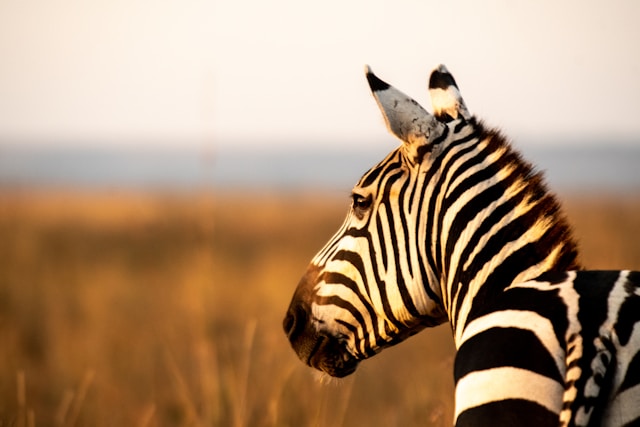
The modern traveler is increasingly moving away from “ticking boxes” and toward a philosophy of immersion. Nowhere is this shift more evident than in the heart of the African continent. While many associate a journey to this region with high-speed chases across the plains, the true essence of the landscape is found in its slower rhythms—the quiet mist over a volcanic lake or the steady pulse of a forest that has remained unchanged for millennia.
Beyond the Standard Safari
Most visitors arrive with the “Big Five” on their minds. However, the diversity of the ecosystem offers far more than just predatory drama. From the lush, emerald tea plantations of the highlands to the hidden craters that dot the landscape, the geography itself tells a story of tectonic shifts and ancient resilience. Opting for east african tours that prioritize depth over distance allows travelers to witness the interconnectedness of these habitats.
The Primate Capital of the World
One cannot discuss the region without mentioning the profound experience of forest trekking. Uganda and Rwanda serve as the final strongholds for the mountain gorilla. Unlike a traditional game drive, this is a physical and emotional pilgrimage. It requires navigating dense undergrowth and steep ridges, culminating in a silent encounter that often redefines a person’s perspective on nature. It is a reminder that we are guests in a world governed by different rules.
Cultural Continuity
True exploration isn’t just about the wildlife; it’s about the people who have coexisted with these animals for centuries. Engaging with local communities—not as a spectator, but as a learner—adds a layer of meaning that a camera lens simply cannot capture. Whether it is understanding the traditional cattle-herding practices or the intricate art of basket weaving, these interactions provide the context that makes the landscape come alive.
