

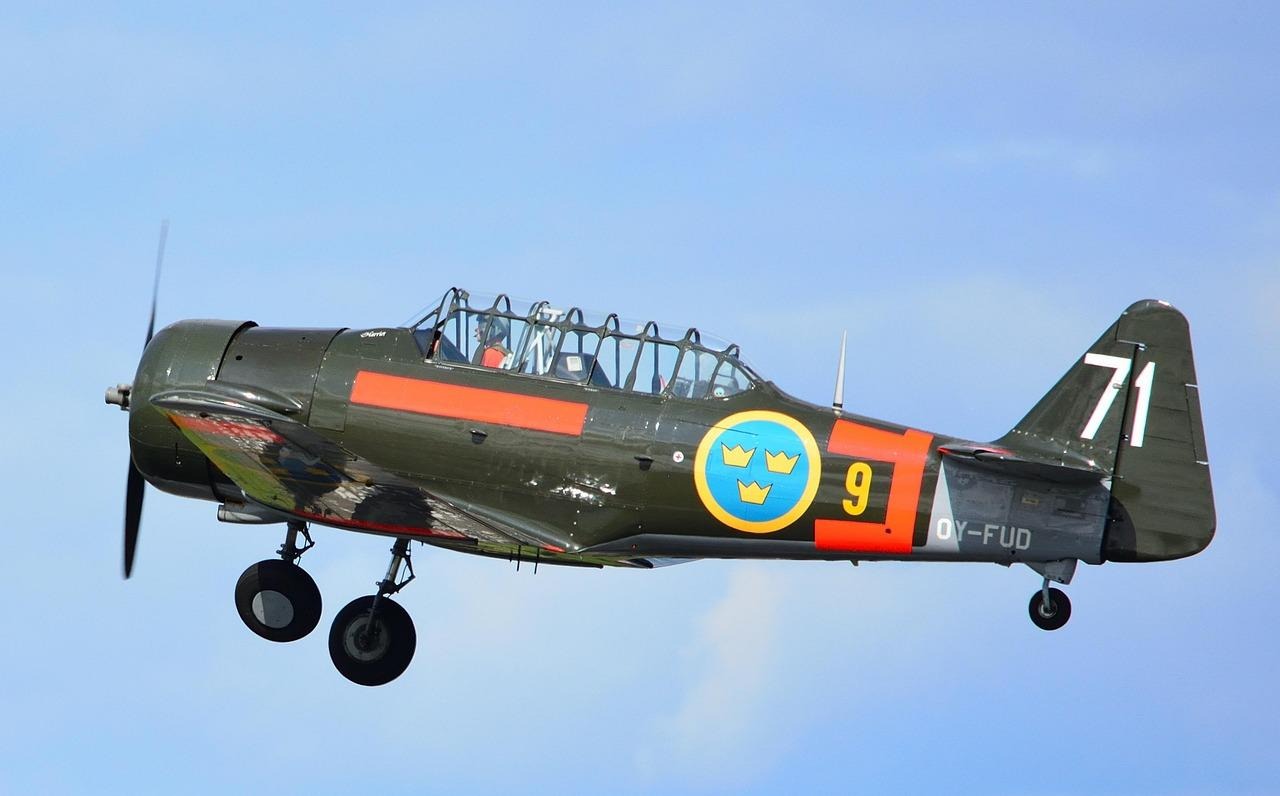
There is no denying that owning an aircraft is an incredible milestone as it reflects a beautiful blend of responsibility, freedom, and passion. However, beyond the excitement of flight, owning an aircraft comes with a responsibility, which is proper maintenance. It does not matter whether you are managing your personal plane or a fleet; you must understand the essentials of aircraft maintenance to protect your investments and ensure safety. Not only that, but regular maintenance also aligns with regulatory standards. Read on to learn more about aircraft maintenance.
Aircraft Maintenance – What Are the Basics
Now, if you have just stepped into aircraft ownership, you must understand the key components of its maintenance. You should know that each aircraft has a recommended maintenance schedule by the manufacturer, including annual inspections, component replacements, and routine checks. While it is important to follow the manual, you must also invest in high-quality protective care, such as a high-quality pitot cover, which is important for keeping the aircraft’s critical sensors safe from insects, moisture buildup, and debris.
Not to mention that high-quality protective care helps you improve flight performance. With that said, you should know that you must combine regular aircraft maintenance with preventive care with the help of the right tools. For high-quality aviation tools, Pilot John International is a reliable brand.
The Importance of Having A Fixed Inspection Schedule
Just like any other thing in life, consistency is key in aviation, which is where you must follow a regular inspection schedule based on calendar time, specific conditions of flight operations, and flight hours. Generally, when it comes to the standard checks, the 50-hour and 100-hour are common; these cover cruising components, including avionics, engine, and landing gear.
The Importance of Propeller & Engine Care
Just like a car, the heart of your aircraft is its engine. With that said, as a newbie aircraft owner, you must take your time and familiarize yourself with the engine model. Do not forget to follow the guidelines provided by the manufacturer for performing component replacements, oil changes, and fuel system checks. It is incredibly important to mention here that the propellers of your aircraft deserve attention, too. Believe us when we tell you that even minor dents can cause vibration or major impedance during flight.
Make sure to regularly clean, perform corrosion checks, and timely inspect, so that the propeller and engine of your aircraft keep running efficiently.
How to Protect Your Aircraft from Environmental Damage
At the end of the day, you must also protect your aircraft from environmental damage. How, you might ask? You should know that aircraft are constantly exposed to extreme weather conditions, including temperature shifts, humidity, and UV rays. These elements can degrade the paint of the aircraft, affect the seals, and damage metal parts over time. With that said, to protect your aircraft from environmental damage, it is in your best interest to safely store your plane in a hangar. If, for some reason, this is not possible, you must use high-quality covers for the propellers, wings, and the cockpit.
Conclusion
Owning an aircraft is both a privilege and a responsibility, and proper maintenance is the key to protecting your investment, ensuring safety, and preserving performance. By following manufacturer-recommended schedules, investing in high-quality protective tools like pitot covers, maintaining consistent inspection routines, caring for the engine and propellers, and safeguarding against environmental damage, you create a strong foundation for reliable flight operations. With diligence, preventive care, and attention to detail, aircraft ownership becomes not only a source of freedom and passion but also a sustainable commitment to excellence in aviation.
