

The Silent Growth Problem
Skin cancer creeps up without fanfare. Cells mutate under sun exposure and keep dividing quietly. You might not notice a spot until it’s deeper than it looks. Melanoma hits about 100,000 new cases yearly in the US. Non-melanoma types rack up over 5 million diagnoses annually. Those numbers stack up because UV rays damage DNA over time. Early catch pulls survival rates to 99% for melanoma. Waiting drops that to 30% if it spreads. Treatment gets simpler too—outpatient fixes beat surgery or chemo. Readers face choices daily about sun habits. Ignoring this means risking bigger problems later. Stats show most cases link to preventable exposure.
How Modern Screening Works
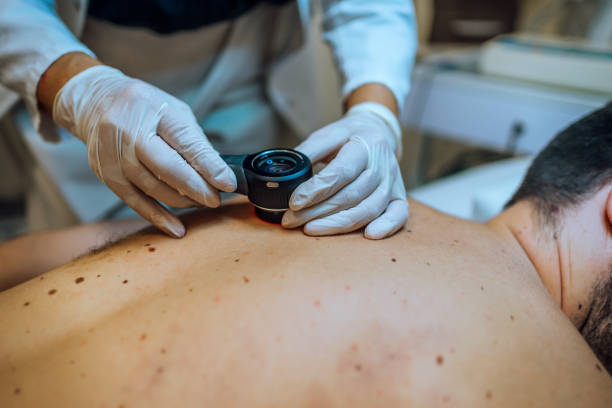
Dermatologists spot trouble with tools that beat the naked eye. Dermoscopy uses a handheld device with magnification and light to peer into skin layers. It reveals patterns like irregular borders invisible otherwise. Total body mapping photographs your entire skin digitally. Software tracks changes over visits. Digital imaging stores high-res images for comparison. These beat old poke-and-hope exams because they catch shifts early. A mole that grows 1mm might signal issues. Older methods missed that subtlety. Readers get precise tracking now. Advances mean fewer false alarms too.
What Makes a Dermatology Practice Effective
Competent screening demands more than a quick glance. Providers need specialized training in skin pathology. They spot subtle signs general docs overlook. Equipment matters—outdated gear limits accuracy. High-end dermoscopes and imaging setups deliver clear views. Follow-up protocols ensure quick action on suspicions. In regions like southern Utah, practices uphold high standards. For example, dermatology St George Utah sets a benchmark with certified staff and advanced tech. This setup turns routine checks into real safeguards. Patients walk out knowing risks got assessed properly.
The Role of Patient Awareness
Between visits, you check your own skin. Look for asymmetry in moles. Borders that jagged up. Colors shifting unevenly. Diameter over 6mm. Evolving size or shape. Those ABCDE signs flag potential melanoma. Self-exams take minutes monthly. Combine them with pro screenings for full coverage. Informed folks push for earlier interventions. Outcomes improve when you report changes fast. No one’s calling you careless for missing spots. Just track what you can.
Technology’s Impact on Outcomes
AI scans images faster than any human. It flags anomalies with 95% accuracy in studies. Imaging tech sharpens lesion details. Confocal microscopy scans skin non-invasively like an optical biopsy. It images cells at microscopic levels in real time. Reflectance confocal microscopy bounces light off skin to map structures below the surface. These tools cut unnecessary biopsies by 30%. Clinically, they mean catching cancers before they invade deeper. Detection rates climb. Patients avoid overtreatment. Tech shifts guesses to data-driven calls.
When Preventive Care Becomes Treatment
Screening flips to action at suspicious findings. A biopsy snips tissue for lab analysis. It confirms cancer type and stage. Removal options range from simple excision to Mohs surgery for precision. Mohs layers off thin slices, checking each until clear margins. Follow-ups monitor for recurrence every 3-6 months initially. Early intervention costs less—thousands versus tens of thousands for advanced cases. Waiting escalates to systemic treatments. Benefits outweigh delays every time. You decide based on that biopsy report.
Building a Sustainable Screening Routine
High-risk folks need annual full-body checks. Fair skin, family history, or heavy sun past ups that frequency. Average risk calls for every 1-2 years. Limit sun from 10am-4pm. Slather SPF 30+ daily. Wear hats and long sleeves outdoors. Lifestyle tweaks like quitting tanning beds drop odds 75%. These habits mesh with screening schedules. Risk drops, but checks stay essential.
Why Choosing the Right Provider Matters
Credentials show board certification in dermatology. Experience counts—years handling skin cancers build expertise. Specialists focus solely on skin, unlike GPs juggling everything. Verify fellowship training in Mohs or oncology. Check patient reviews for thoroughness. Ask about equipment during consults. Practical steps: Search state medical boards online. Schedule with those matching your risk level. This choice affects detection speed.
Moving Forward With Confidence
Early detection paired with solid screening clears up skin health worries. Act now because UV exposure builds silently year after year. Schedule that check—it’s your direct line to catching issues small.
