


Quick Answer
Persistent drain issues – like recurring clogs, slow drainage in multiple fixtures, or gurgling sounds from your pipes – are rarely just surface-level annoyances. More often, they point to deeper complications within your home’s underground plumbing network. Left unaddressed, these symptoms can escalate into full sewer backups, structural water damage, or even health hazards from sewage exposure. While a plunger or store-bought cleaner might offer temporary relief, the real solution usually lies beneath the surface and requires expert assessment to prevent costly emergencies down the line.
Introduction
It starts subtly: the kitchen sink takes a little longer to drain after washing dishes. A week later, the bathtub gurgles ominously when the washing machine empties. You clear a clog, only for it to return days later – this time in the bathroom on the opposite side of the house. These aren’t random glitches; they’re interconnected signals that something is wrong with your main drainage pathway.
Many homeowners overlook these patterns until a major backup occurs. Yet recognizing the early signs of sewer and drain problems can save thousands in repair costs and spare you from dealing with contaminated water in your basement or yard. What feels like an isolated household nuisance is often a symptom of a larger issue affecting your entire plumbing ecosystem.
Understanding how your drainage system works – and how it fails – is the first step toward protecting your property. Modern homes rely on a complex network of pipes that silently carry waste away, but age, environmental stress, and design flaws can compromise their integrity over time. The good news? With timely insight and the right approach, most serious issues can be caught before they turn catastrophic.
How Ongoing Drain Issues Reveal Hidden Plumbing Failures
When drains act up repeatedly, it’s tempting to treat each incident as a standalone clog. But plumbing systems are interconnected: a problem in one area often reflects stress or failure elsewhere – especially in the main sewer line that serves your entire home. Unlike isolated fixture issues (like a hair-clogged shower drain), systemic symptoms usually point to deeper infrastructure concerns.
Below are the most telling indicators that your drainage troubles aren’t just surface-level – and what they may reveal about your residential pipe health.
Recurring Clogs Across Multiple Fixtures
If you’re plunging the toilet and snaking the kitchen sink within the same week, the issue likely isn’t localized. A blockage in the main sewer line prevents wastewater from exiting your home, causing backups wherever drainage pressure builds. This is especially common in older homes with cast-iron or clay pipes, which degrade over time.
Foul Odours Rising from Drains or Yard
Sewer gas smells inside your home – or near outdoor cleanouts or patches of lawn – suggest a breach in your venting or sewer line. Cracked or separated pipes can leak gases (and sometimes raw sewage) into surrounding soil, creating both odour and potential health risks.
Gurgling Noises After Flushing or Running Water
That gurgle isn’t just quirky plumbing – it’s air being forced through water traps due to improper venting or partial blockages downstream. When the main line is obstructed, air has nowhere to go but back up through nearby drains, disrupting the normal flow equilibrium.
Slow Drainage That Worsens Over Time
A single slow sink might be a minor clog, but if all your drains gradually lose speed – even after cleaning – it often means a growing obstruction in the main line. Tree roots, grease buildup, or pipe collapse can narrow the pathway incrementally, reducing flow efficiency across the whole system.
Unexplained Lush Patches or Sinkholes in Your Yard
Healthy grass in one oddly green strip, or soft ground that sinks underfoot, can signal a leaking sewer line. Wastewater acts as an unintended fertilizer, while erosion from constant seepage undermines soil stability. These outdoor clues are frequently overlooked until structural damage appears.
To help distinguish between minor annoyances and serious red flags, consider this comparison:
| Symptom | Likely Cause | Risk Level |
| One slow drain, occasional clog | Localized debris (hair, soap scum) | Low |
| Multiple slow drains + gurgling | Partial mainline blockage | Medium |
| Sewage backup + yard odour | Full or near-full sewer line failure | High |
| Sinkholes or soggy lawn | Pipe crack or break underground | High |
Recognizing these patterns early allows homeowners to shift from reactive fixes to proactive solutions – before emergency flooding or contamination occurs. The key is not just what is happening, but where and how consistently it recurs across your plumbing network.
In many cases, visual inspection isn’t enough. Buried lines require specialized tools to assess accurately – a point where professional plumbing diagnostics become essential. Modern techniques like video camera inspections can pinpoint cracks, root intrusions, or bellied pipes without guesswork or unnecessary excavation.
What to Do When You Suspect a Hidden Plumbing Issue
Once you’ve noticed patterns that go beyond ordinary clogs, the next step isn’t panic – it’s precision. Addressing potential sewer or drainage failures early can prevent thousands in repair costs and avoid health hazards linked to sewage exposure. The goal is to confirm the issue, understand its scope, and choose the least disruptive resolution path.
Start with Observation, Not Assumption
Before calling for service or attempting aggressive DIY fixes, document what you’re seeing:
- Which fixtures are affected – and when?
- Does the problem worsen after heavy water use (e.g., laundry + dishwasher running)?
- Are there wet spots, odours, or changes in your yard?
This log helps professionals narrow down possible causes faster and avoid unnecessary exploratory digging.
Avoid Chemical Drain Cleaners for Recurring Issues
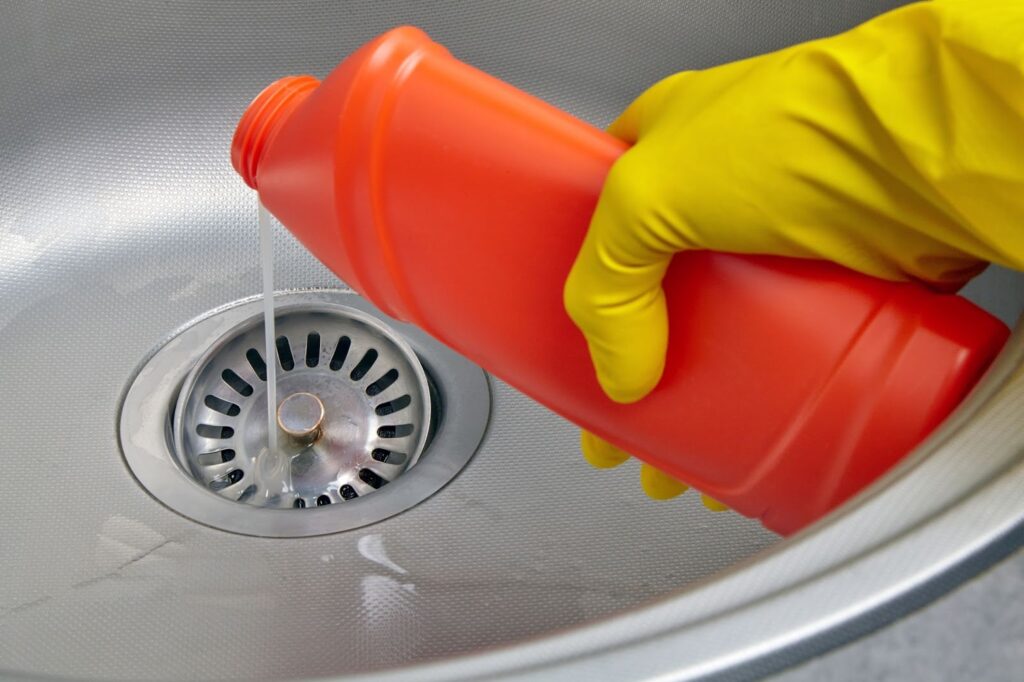
While effective for minor, isolated blockages, harsh chemical cleaners won’t fix tree roots, pipe collapses, or grease buildup in main lines. Worse, they can corrode aging pipes or create dangerous fumes if a partial blockage traps them underground. For systemic problems, mechanical or hydro-jetting methods are safer and more effective long-term.
Consider a Sewer Scope Inspection
A sewer camera inspection – often called a “scope” – is the gold standard for diagnosing hidden issues. A flexible camera is fed through a cleanout or vent stack, transmitting real-time footage of your entire lateral line. This reveals:
- Root intrusions
- Pipe offsets or separations
- Corrosion or scale buildup
- Sagging (or “bellied”) sections where debris collects
Many homeowners are surprised to learn their pipes are decades old or made of materials prone to failure (like Orangeburg or clay). A scope provides clarity before committing to repairs.
Understand Your Repair Options
Not every sewer problem requires full excavation. Depending on the diagnosis, solutions may include:
| Method | Best For | Invasiveness |
| Trenchless pipe lining | Cracks, root intrusion, minor breaks | Low (no digging) |
| Pipe bursting | Severely collapsed or outdated pipes | Medium (two access points) |
| Spot repair | Isolated damage in accessible areas | Low to medium |
| Traditional replacement | Extensive damage or incorrect slope | High (full trench) |
Monitor Long-Term Household Drainage Problems
Even after resolving an issue, keep an eye on system performance. Install drain strainers, avoid flushing non-degradable items, and schedule periodic inspections if your home is over 25 years old or near mature trees. Small habits significantly extend the life of your underground infrastructure.
Lastly, don’t ignore subtle shifts in how your plumbing behaves. Changes in flow, sound, or smell are your system’s way of communicating. Paying attention to these cues – especially as they relate to sewer system warning signs – can help you stay ahead of failures before they escalate.
And while it’s easy to hope a problem will “go away,” underground pipe issues almost always worsen with time. Early detection, paired with accurate diagnostics, gives you control over both timing and cost – key advantages when dealing with something as critical as your home’s waste removal system.
Final Thoughts: Don’t Wait for a Crisis to Act
Plumbing systems are designed to work quietly in the background, so when they start demanding attention – through slow drains, strange noises, or foul smells – it’s a signal worth heeding. What many dismiss as minor inconveniences are often the first whispers of significant deterioration underground. Ignoring these cues might buy short-term convenience, but it almost always leads to more expensive, disruptive, and potentially hazardous outcomes later.
The reality is that pipes age, soil shifts, and tree roots grow – regardless of how well you maintain your fixtures above ground. That’s why awareness matters more than reaction. Recognizing early signs of drain failure isn’t about anticipating disaster; it’s about practicing proactive home stewardship. A small investment in inspection today can prevent a full-scale emergency tomorrow.
