

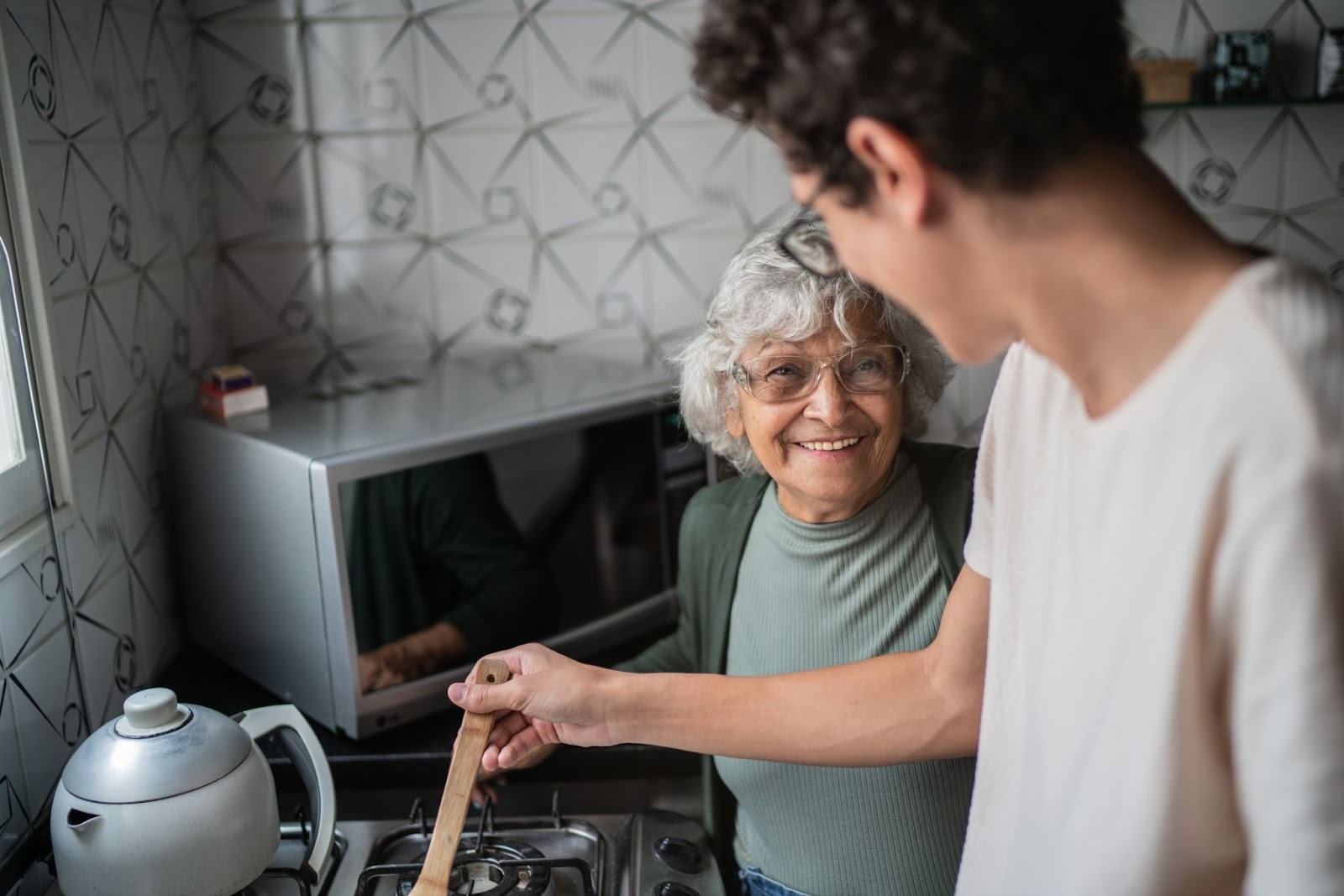
Preparing your home for elderly parents involves thoughtful planning to secure their safety, comfort, and independence. Start by assessing accessibility, making essential modifications like installing grab bars, improving lighting, and decluttering walkways. Create a cozy living space with functional furniture and proper temperature control. Don’t forget to explore external support services that can assist with health and daily living needs. These steps will help your loved ones age in place with ease and dignity.
Table of Contents
- Assessing Your Home’s Current Accessibility
- Essential Safety Modifications for Seniors
- Organizing Daily Life: Practical Tips
Imagine this: Your elderly parents are moving in with you after years of living independently. While it’s a meaningful step toward supporting them, their needs have evolved significantly since they were younger. Ensuring your home is safe, accessible, and welcoming can make all the difference in helping them feel secure and comfortable during this transition.
Falls and other accidents are among the most common risks for seniors at home. Simple changes, like removing tripping hazards, improving visibility, and adjusting furniture layouts, can drastically reduce these risks. Additionally, understanding available resources – such as palliative care in Winnipeg – can provide valuable support when addressing long-term health concerns.
In this guide, we’ll walk you through practical steps to adapt your home for aging parents, from assessing its current state to designing spaces that prioritize both safety and comfort. By the end, you’ll have a clear roadmap to creating an environment where your loved ones can thrive.
Assessing Your Home’s Current Accessibility
Before making any changes, it’s crucial to evaluate your home’s current layout and identify potential barriers that could hinder your elderly parents’ mobility or safety. This assessment serves as the foundation for creating a space that truly meets their needs.
Start by walking through each room with a critical eye. Pay attention to areas where movement might feel restricted, such as narrow hallways, steep staircases, or uneven flooring. Consider how daily tasks – like entering the house, using the bathroom, or navigating the kitchen – might pose challenges. For example, are light switches easy to reach? Are there clear pathways free of clutter?
If you’re unsure where to begin, here’s a simple checklist to guide you:
- Entrances and Exits: Are doorways wide enough for walkers or wheelchairs? Do thresholds create tripping hazards?
- Stairs: Are handrails securely installed? Would a stairlift be beneficial?
- Flooring: Are carpets secured and slip-resistant mats in place?
- Lighting: Are key areas well-lit, especially at night?
To help visualize common accessibility challenges and solutions, refer to the table below:
| Challenge | Solution |
| Narrow doorways | Install swing-away hinges or widen doors. |
| Slippery floors | Add non-slip mats or rugs. |
| Poor lighting | Upgrade bulbs or install motion sensors. |
| High shelving | Relocate frequently used items lower. |
Taking the time to assess your home thoroughly secures that subsequent modifications are both effective and efficient. It also helps prioritize changes based on urgency and budget, allowing you to create a safer environment step by step.
Essential Safety Modifications for Seniors
Ensuring your home is safe for elderly parents requires a combination of thoughtful planning and practical adjustments. Below are key areas to focus on, along with actionable tips to help you create a secure environment that minimizes risks and promotes independence.
Fall Prevention
Falls are one of the leading causes of injury among seniors, but many can be prevented with simple modifications:
- Grab Bars and Handrails: Install sturdy grab bars near toilets, showers, and bathtubs. Add handrails along staircases and hallways for added stability.
- Non-Slip Flooring: Replace slick tiles or polished wood with textured, non-slip alternatives. Use rugs with non-skid backing in high-risk areas like bathrooms and kitchens.
- Clear Pathways: Remove clutter, cords, and tripping hazards from walkways. Secure furniture is arranged to allow easy movement.
Lighting Improvements
Good lighting is essential for visibility and safety, especially as vision changes with age:
- Brighter Bulbs: Upgrade to soft, warm LED bulbs that mimic natural daylight without causing glare.
- Motion-Activated Lights: Install these in hallways, bathrooms, and near entrances to provide illumination without the need to search for switches.
- Nightlights: Place them strategically in bedrooms, bathrooms, and hallways to secure visibility during nighttime trips.
Stair Safety
If your home has multiple levels, stairs can pose a significant risk. Consider these solutions:
- Handrails on Both Sides: secure handrails are securely installed and run the full length of the staircase.
- Stairlifts or Ramps: For seniors with mobility challenges, these devices can eliminate the need to navigate stairs altogether.
- Contrasting Edges: Use brightly colored tape or paint to highlight the edges of each step, reducing the risk of missteps.
Emergency Preparedness
Equipping your home with emergency tools secures your parents can quickly access help if needed:
- Wearable Alert Buttons: These devices allow seniors to call for assistance instantly, whether they’re at home or in the yard.
- Accessible Phones: Keep cordless phones or smartphones in easily reachable locations, preloaded with emergency contacts.
- Clear Instructions: Post simple instructions for using emergency devices near their placement.
Organizing Daily Life: Practical Tips

Creating structure and simplifying daily routines can significantly enhance the comfort and independence of your elderly parents. Below are practical strategies to streamline their day-to-day life while fostering a sense of control and ease.
Centralized Scheduling System
A well-organized calendar can help seniors stay on top of appointments, medication schedules, and family visits:
- Large, Visible Calendar: Place an easy-to-read calendar in a central location like the kitchen or living room. Use bold colours or stickers to differentiate activities (e.g., doctor’s appointments in red, family visits in blue).
- Reminders and Alerts: Pair the calendar with alarms or reminders on a smartphone or tablet to secure nothing is missed.
Labelling for Accessibility
Clear labelling reduces confusion and empowers seniors to locate items independently:
- Cabinets and Drawers: Use bold, printed labels or pictures to indicate where snacks, dishes, or cleaning supplies are stored.
- Medication Organization: Invest in a pill organizer labelled with days of the week and times to simplify medication management.
Meal Preparation Simplified
Mealtime can be made easier with a bit of planning and creativity:
Batch Cooking: Prepare and freeze meals in individual portions for quick, nutritious options.
- Ready-to-Eat Snacks: Stock the pantry with healthy, low-effort snacks like yogurt cups, fruit, or granola bars.
- Meal Delivery Services: Explore local programs that deliver balanced meals tailored to dietary needs, ensuring variety and nutrition without the hassle of cooking.
Designated Spaces for Hobbies and Relaxation
Encouraging leisure activities promotes mental stimulation and emotional well-being:
- Reading Nook: Set up a cozy corner with large-print books, audiobooks, or e-readers for easy access to literature.
- Craft or Hobby Area: Dedicate a small space for knitting, painting, puzzles, or other hobbies they enjoy. Include ergonomic tools or magnifiers if needed.
- Music or Entertainment Zone: Equip a space with a radio, tablet, or CD player for listening to music, podcasts, or audiobooks.
Social Connection and Engagement
Staying socially active is vital for mental health and overall happiness:
- Technology Setup: Preload a tablet or computer with contacts for video calls or messaging apps to keep them connected with loved ones.
- Regular Visits: Arrange for family and friends to visit regularly, either in person or virtually, to maintain strong social bonds.
- Community Involvement: Encourage participation in local senior groups or events to foster new friendships and combat isolation.
Final Thoughts: Creating a Welcoming Environment
Making your house ready to accommodate your parents is not all about physically putting it in shape. It should also be a place where they can feel welcome and at peace with themselves and worth something. Getting old is all part of life, yet careful planning can send your loved ones into this new phase rather gracefully and with dignity.
Any minor change contributes to their health. Opening up the doorways and grab bars, arranging the daily routine, and investigating the supportive services are some ways to demonstrate to them that you care about their well-being and comfort. Big renovations are ok, but it is also the smaller things that make a house a home, such as a favourite armchair in front of the window, pa icture of children on the walls, and chilled light in the evenings.
As you are implementing these changes, do not close up communication with your parents. Seek their participation and suggestions to make them feel that they are part of it. It is their room anyway, and they should be the ones who dictate your choices.
