

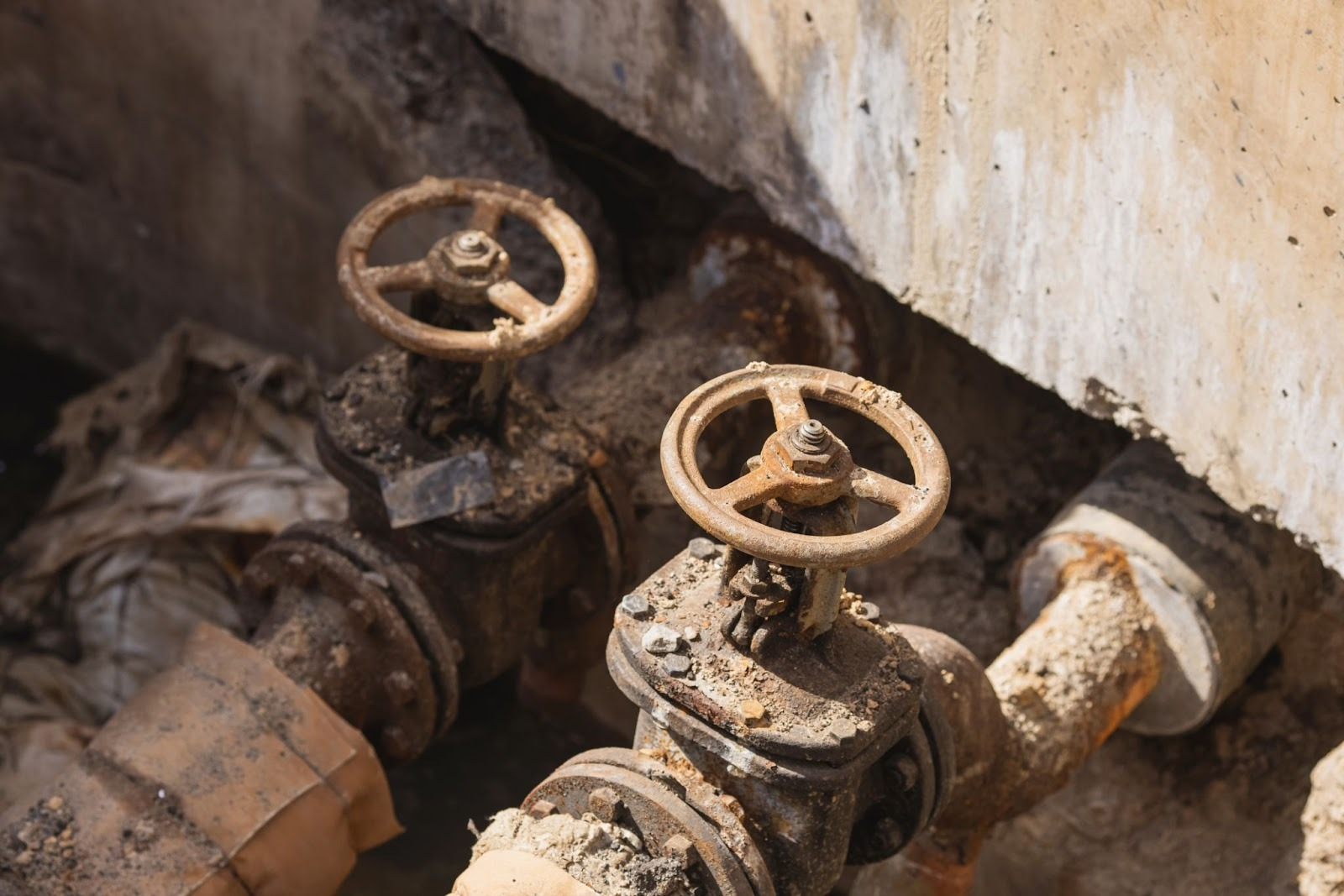
Sewer line problems are not something to ignore, as they can quickly escalate into costly and hazardous situations. Warning signs like foul odours, slow drainage, gurgling sounds, and water pooling in your yard indicate potential issues that require immediate attention. Addressing these signs early can prevent extensive damage, health risks, and expensive repairs. Understanding these indicators is the first step toward safeguarding your home and ensuring peace of mind.
Table of Contents
- Early Warning Signs of Sewer Line Problems
- Understanding the Causes Behind Sewer Line Damage
- The Consequences of Delaying Sewer Line Repairs
- Steps to Take When You Suspect Sewer Line Issues
A healthy sewer system is the backbone of any home’s plumbing infrastructure, quietly working behind the scenes to remove waste and keep your living space clean and safe. However, when problems arise, they can disrupt your daily life and lead to significant property damage if left unchecked. That’s why understanding the importance of maintaining your sewer lines – and recognizing when something isn’t right – is crucial for every homeowner.
For instance, many homeowners don’t realize that timely intervention, such as scheduling sewer line repair by Quicker Rooter, can make all the difference in preventing small issues from becoming major disasters. In the following sections, we’ll explore the telltale signs that your sewer line needs immediate attention, what might be causing the problem, and how to respond effectively.
Let’s dive in and equip you with the knowledge to protect your home.
Early Warning Signs of Sewer Line Problems
Your sewer line works silently to keep your home clean and functional, but when something goes wrong, it doesn’t stay quiet for long. The key to avoiding a plumbing catastrophe is recognizing the early warning signs before they escalate. Here are some common indicators that your sewer line may need immediate attention:
Persistent Foul Odours Indoors or Outdoors
One of the most noticeable signs of a sewer line issue is an unpleasant smell. If you detect a sewage-like odour inside your home – whether in the basement, bathroom, or kitchen – it could indicate a leak or blockage in your sewer line. Similarly, foul smells emanating from your yard might suggest a break or crack in the underground pipes. Ignoring these odours can lead to more than just discomfort; it can pose serious health risks due to harmful gases like methane and hydrogen sulfide.
Multiple Drains Are Slow or Backing Up
If you notice slow drainage in multiple areas of your home – such as sinks, showers, and toilets – it’s a strong indication that the problem isn’t isolated to a single pipe. Unlike clogs caused by hair or debris, widespread drainage issues often point to a deeper problem within the sewer line itself. This symptom should never be ignored, as it can quickly worsen and result in raw sewage backing up into your home.
Gurgling Sounds Coming from Drains or Toilets
Have you ever heard strange gurgling noises when using your plumbing fixtures? These sounds occur when air is trapped in the pipes due to obstructions or improper water flow. While occasional gurgling might not seem alarming, consistent noise is a red flag that your sewer line could be partially blocked or damaged. Left unchecked, this issue can lead to complete blockages or even pipe collapse.
Water Pooling or Lush Patches in Your Yard
If you notice soggy spots, standing water, or unusually lush grass in specific areas of your yard, it could mean your sewer line is leaking. Underground leaks often cause water to seep into the surrounding soil, creating these telltale signs. Not only does this waste water, but it also poses a risk of contaminating your yard with harmful bacteria. Additionally, prolonged leaks can weaken the structural integrity of your foundation over time.
Understanding the Causes Behind Sewer Line Damage
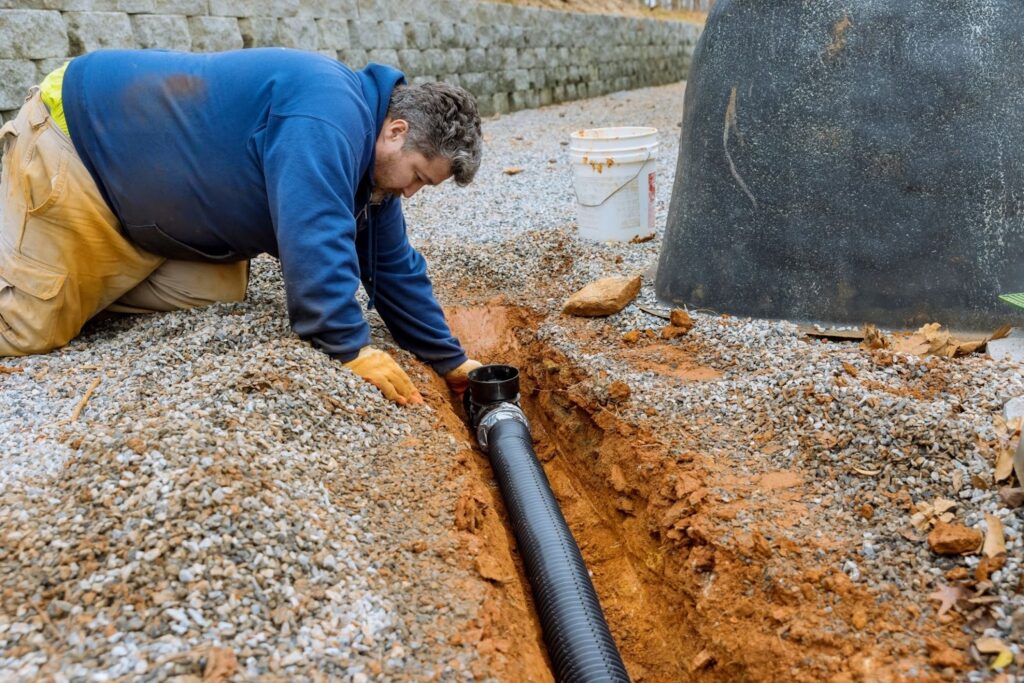
While recognizing the warning signs of sewer line issues is crucial, understanding what causes these problems can help you prevent them in the first place. Sewer lines are designed to last for decades, but several factors – both natural and man-made – can lead to their deterioration over time. Let’s explore some of the most common culprits behind sewer line damage.
Tree Root Intrusion
Tree roots are one of the leading causes of sewer line damage. Roots naturally grow toward sources of water and nutrients, making your sewer pipes an attractive target. Once they find even a tiny crack or joint in the pipe, they can infiltrate and expand, causing blockages or structural damage. Over time, this intrusion can completely compromise the integrity of your sewer line, leading to costly repairs.
Aging Infrastructure
Many homes, especially older ones, were built with materials like clay, cast iron, or Orangeburg pipes (made from tar-soaked paper). While these materials were standard at the time, they are prone to corrosion, cracking, and collapse as they age. Even modern PVC pipes aren’t immune to wear and tear over decades of use. If your home’s plumbing system is several decades old, it may be more susceptible to sewer line issues.
Ground Shifting and Soil Erosion
Canada’s diverse climate, with its harsh winters and rainy seasons, can cause soil movement that puts stress on underground pipes. Frost heave during winter freezes or soil erosion due to heavy rainfall can shift the ground beneath your home, leading to misaligned, cracked, or collapsed sewer lines. This is particularly common in areas with unstable soil conditions or where construction has disturbed the earth.
Improper Installation or Maintenance
Sometimes, the root of the problem lies in how the sewer line was installed. Poor workmanship, substandard materials, or shortcuts taken during installation can result in weak points that are more prone to failure. Additionally, neglecting regular maintenance – such as clearing minor clogs or inspecting the line for early signs of damage – can allow small issues to develop into major problems.
Foreign Objects and Grease Build-Up
Everyday habits can also contribute to sewer line damage. Flushing items like wipes, sanitary products, or paper towels – even if they’re labeled “flushable” – can create stubborn clogs. Similarly, pouring grease, oil, or food scraps down the drain can lead to stubborn build-ups that restrict water flow and put pressure on your pipes. Over time, these blockages can exacerbate existing weaknesses in the sewer line.
Steps to Take When You Suspect Sewer Line Issues
If you’ve noticed any of the warning signs discussed earlier, it’s time to take action. Addressing sewer line problems promptly can prevent further damage and save you from unnecessary stress and expenses. Here’s a step-by-step guide to help you respond effectively when you suspect an issue:
Step 1: Assess the Situation
Start by observing your home and property for recurring symptoms. Are there multiple drains backing up? Do you notice foul odours or soggy patches in your yard? Document these signs, as they’ll provide valuable information for professionals later. If possible, avoid using water-heavy appliances like dishwashers or washing machines until you’ve identified the root cause – this can help prevent additional strain on your already-compromised system.
Step 2: Perform a Basic Inspection
While professional expertise is essential, there are some simple checks you can do yourself. Inspect visible parts of your plumbing system, such as exposed pipes in basements or crawl spaces, for signs of leaks or corrosion. Walk around your yard to look for pooling water, unusually lush grass, or sinkholes near where the sewer line runs. These observations can give you a clearer picture of the problem’s scope and help you communicate more effectively with plumbers.
Step 3: Limit Water Usage Temporarily
Until the issue is resolved, it’s wise to reduce water usage to minimize pressure on your sewer line. Avoid activities that produce large amounts of wastewater, such as taking long showers, running the dishwasher, or flushing non-essential items. This temporary measure can help prevent further backups or leaks while you arrange for professional assistance.
Step 4: Contact Emergency Plumbers
Once you’ve gathered information and taken preliminary steps, it’s time to call in the experts. Professional plumbers have specialized tools, such as video cameras and hydro-jetting equipment, to diagnose and repair sewer line issues efficiently. Expert emergency plumbers can often identify the problem quickly and propose tailored solutions, whether it’s clearing a blockage, repairing a crack, or replacing a section of pipe.
Step 5: Educate Yourself About Long-Term Solutions
After resolving the immediate issue, take the opportunity to learn about preventative measures. Ask your plumber about options like trenchless sewer repair, which minimizes disruption to your property, or installing backwater valves to prevent future backups. Additionally, consider adopting habits that protect your sewer line, such as avoiding flushing inappropriate items and scheduling annual inspections to catch potential problems early.
The Consequences of Delaying Sewer Line Repairs
Ignoring sewer line problems can lead to a cascade of negative outcomes, impacting your home, health, finances, and even the environment. Below is a breakdown of the potential consequences of delaying repairs:
| Consequence | Description | Impact |
| Structural Damage to Your Home | Leaking sewage can saturate the soil, causing foundation cracks, uneven floors, or instability. | Expensive repairs, reduced property value, and potential safety hazards. |
| Health Risks from Contaminants | Sewage contains harmful bacteria, viruses, and gases like methane and hydrogen sulfide. | Increased risk of illnesses, respiratory issues, and unsanitary conditions. |
| Costly Emergency Repairs | Small issues can escalate into major problems, requiring extensive excavation and pipe replacement. | Higher repair costs, premium pricing for emergency services, and added stress. |
| Environmental Harm | Untreated wastewater can contaminate groundwater, harm plant life, and disrupt local ecosystems. | Fines, remediation costs, and long-term environmental damage. |
| Disruption to Daily Life | Sewage backups or leaks can render parts of your home unusable until repairs are completed. | Inconvenience, temporary relocation, and loss of productivity. |
| Property Damage Indoors | Overflowing sewage can damage flooring, walls, furniture, and personal belongings. | Costly cleanup, replacements, and potential insurance complications. |
Conclusion: Act Fast to Protect Your Home
You cannot see your sewer line, but you should never forget about it. As we have seen in the course of this article, small problems may become huge when not resolved. Foul odours, slow drainage, water pooling in your yard are just some of the warning signs that can help you realize early enough and save your home the problem of expensive repairs.
Learning what can cause damage to sewer lines (e.g. tree root penetration, old pipes, environmental conditions) will make you know how to prevent it. It is also essential to know the way to react in case problems appear. You can avoid damage and recover your system in a short period by following these simple steps: restrict the use of water, perform a simple inspection, and seek the assistance of professional workers.
New forms of plumbing, including trenchless repair methods and video inspection, have allowed sewer line maintenance to become more non-invasive and efficient than it has ever been. Such developments not only save you time and money, but also reduce disturbance in your property. Having professional plumbers guarantee that you will have knowledge and assurance in repairing your sewer line so that it will last the time and you might even find that your sewer line has even been upgraded.
